
GAINING MASTERY OVER RELATIONSHIPS: LOVE AND MARRIAGE
 admin
Jun 2, 2026
228
0
admin
Jun 2, 2026
228
0
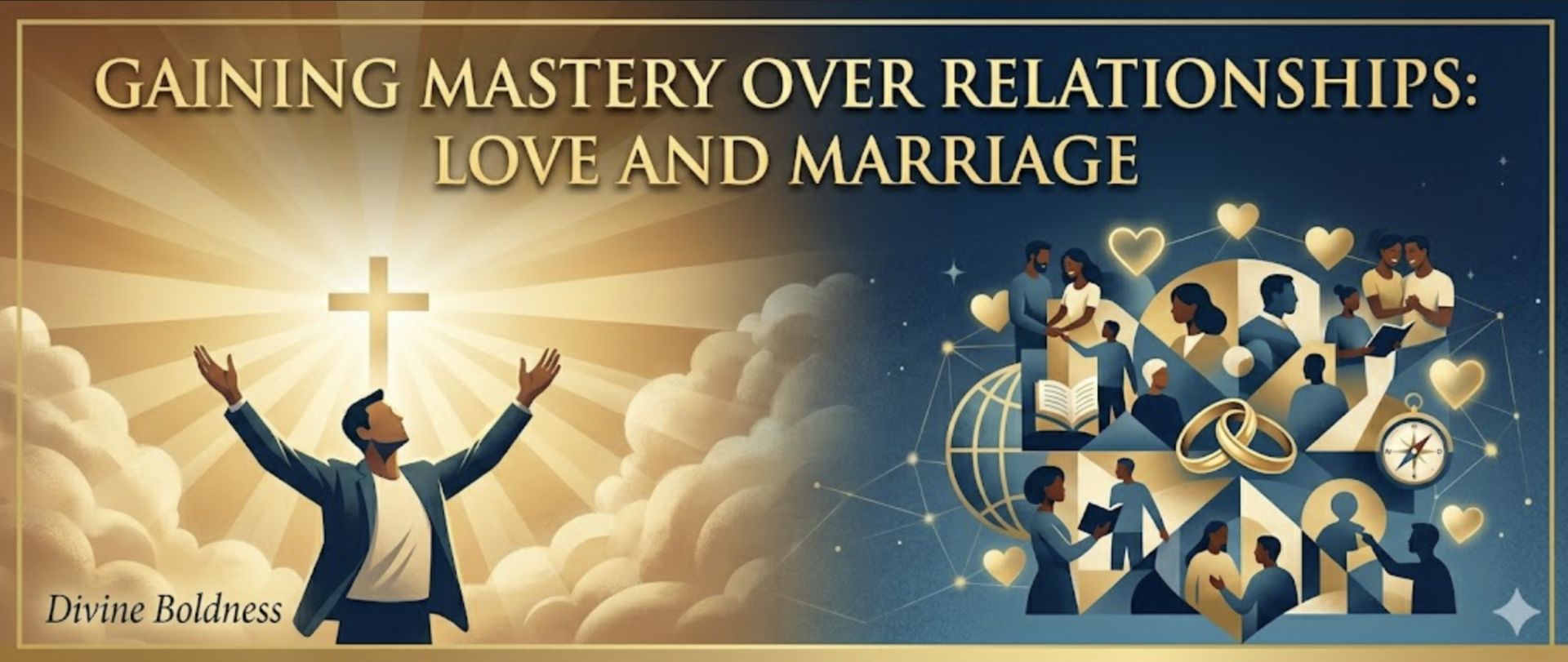
Many profess love; they say it’s a season to love one another. But most only assume to know what love is, whereas they really don’t. What most have experienced and understood is tolerance, not love. Tolerance is your ability to bear with others; it’s a good thing, but it shouldn’t be confused as love. That you tolerate people doesn’t mean you love them.
Even the Jews had difficulty understanding love. The Jewish mind was complex, and one of the ways God could get their attention was to give them the golden rule: “Thou shalt not avenge, nor bear any grudge against the children of thy people, but thou shalt love thy neighbour as thyself: l am the LORD” (Leviticus 19:18).
He said to them, “Love your neighbour as yourself.” But how could a man love his neighbour as himself when even he isn’t conscious of loving himself?
This wasn’t God’s best delineation of love, but He had to work with them from the “outside.” So, He said to them, “Do unto others as you want them to do to you” (Matthew 7:12, Luke 6:31). After a while, they began to abuse this. A man could take another’s wife and say, “l don’t mind if you do the same to me. Take my rude wife.”
But when Jesus came, He manifested God’s love in a way that was different. He said, “Greater love hath no man than this, that a man lay down his life for his friends” (John 15:13). He showed them love from God’s perspective, and not only did He preach this love, He proved it. You can’t show or manifest true love if you don’t know Jesus.
When you hear someone say, “l can’t please you and displease myself,” such a person is quoting from the Old Testament. But Jesus says no; it’s not about pleasing yourself; it’s about laying down your life for others. It’s about making others happy even at the expense of your own feelings. There’s no greater love than this. Your understanding of this will completely change your life and your commitment to Jesus Christ, and to those for whom He died.
Are you looking for Godly guidance or insights for a joyful and lasting union? As believers, we know that the Bible offers wisdom for all aspects of life, including relationships. By following Godly principles, you can create a strong foundation for your marriage and experience the joy and fulfillment that come from a God-centered relationship.
Putting God at the center of your marriage is essential for building a healthy and thriving partnership. As it says in Ecclesiastes 4:12, “Though one may be overpowered, two can defend themselves. A cord of three strands is not quickly broken.” When you invite God into your marriage, you create a bond that cannot easily be broken.
Through prayer and devotion, you can deepen your connection with each other as well as with God. In this article, we will explore several key biblical insights for a joyful and lasting union that honors God and brings peace to both partners.
Putting God at the Center of Your Marriage
You have to put God at the center of your marriage if you want it to thrive.
In a world where everything seems to be fleeting, the love and guidance of God can anchor your relationship. Start by praying together every day and reading the Bible regularly. Seek God’s wisdom in making decisions together and invite Him into your struggles and triumphs.
When you prioritize God in your marriage, you’ll find that everything else falls into place. Your love for each other will deepen, and you’ll develop a stronger sense of purpose and meaning in life.
By building a foundation on faith, you’ll be able to weather any storm that comes your way, knowing that with God’s help, anything is possible.
Remember that He’s the ultimate source of all love, joy, peace, patience, kindness, goodness, faithfulness, and self-control – qualities that are essential for a healthy marriage.
Effective Communication Strategies for Couples
When communicating with your partner, it’s important to actively listen and validate their feelings. This means giving them your undivided attention when they’re speaking and acknowledging the emotions they’re expressing.
It’s easy to get caught up in our thoughts and opinions during a conversation, but taking the time to truly hear what your spouse is saying can make a huge difference in how well you communicate with each other.
Another effective communication strategy for couples is using “I “statements instead of “you “statements. For example, instead of saying “You always do this, try saying “I feel hurt when this happens”. By focusing on your own emotions and experiences, rather than placing blame on your partner, you can avoid defensiveness and create a safer space for open communication.
Remember that marriage is about working together as a team, and effective communication is crucial for building a strong foundation of trust and understanding.
The Power of Forgiveness in Marriage
Imagine a relationship where both partners make mistakes, but instead of holding grudges and harboring resentment, they choose to forgive each other and move forward.
Forgiveness is a powerful tool that can help build a wholesome marriage. It takes strength and humility to admit when you’re wrong and ask for forgiveness, but it also takes courage to grant forgiveness to your partner.
Forgiveness allows couples to let go of their past hurts and focus on the present moment. Without forgiveness, disagreements can quickly escalate into arguments that can damage the relationship irreparably.
However, when both partners are willing to forgive each other, they create an atmosphere of love and trust that strengthens their bond. Remembering the power of forgiveness in marriage helps us stay committed even through challenging times, allowing us to grow together as individuals and as a couple.
Practicing Selflessness in Your Relationship
Practicing selflessness in a relationship requires putting your partner’s needs before your own and can lead to a deeper level of intimacy and understanding. It means being willing to compromise, prioritize their happiness over yours, and communicate openly about your feelings.
This doesn’t mean that you should be a doormat or neglect your own needs entirely, but rather that you should strive for a balance between giving and receiving. As Christians, we’re called to love others as ourselves (Mark 12:31), which includes our spouses.
By practicing selflessness in our marriage, we not only honor God’s commandment but also strengthen our bond with our partner. It requires humility, patience, and the willingness to put in effort even when it’s difficult.
But when we make the conscious choice to prioritize our spouse’s well-being above our desires, we create a foundation for a wholesome and fulfilling marriage.
Building a Strong Foundation for a Lasting Marriage
To create a long-lasting bond with your partner, it’s crucial to establish a solid foundation in your relationship from the very beginning. This means building trust and respect for one another, being honest and open about your feelings and expectations, and treating each other with kindness and compassion.
Remember that marriage is not just about finding someone to love, but also about committing yourself to work together as a team through all of life’s joys and challenges.
One way to build this strong foundation is by prioritizing quality time together. Make an effort to regularly connect with your spouse on an emotional level by sharing your thoughts and feelings, going on dates or outings that you both enjoy and engaging in activities that promote intimacy.
By investing in these experiences early on in your marriage, you’ll be setting yourself up for a lifetime of love, support, and fulfillment with the person you cherish most.
Conclusion
As you embark on this journey of building a wholesome marriage, remember to always put God at the center of your relationship. Effective communication and forgiveness are key ingredients in any successful union. Remember that selflessness is also crucial for a healthy partnership.
Marriage is a sacred covenant between two individuals, and it takes hard work and dedication to make it last. As you strive to build a strong foundation for your future together, trust in God’s plan for your lives and lean on His wisdom to guide you through the ups and downs.













Comments (0)
Facebook Comments (0)