
The Church And The Prophetic Order
 admin
Aug 11, 2026
4
0
admin
Aug 11, 2026
4
0
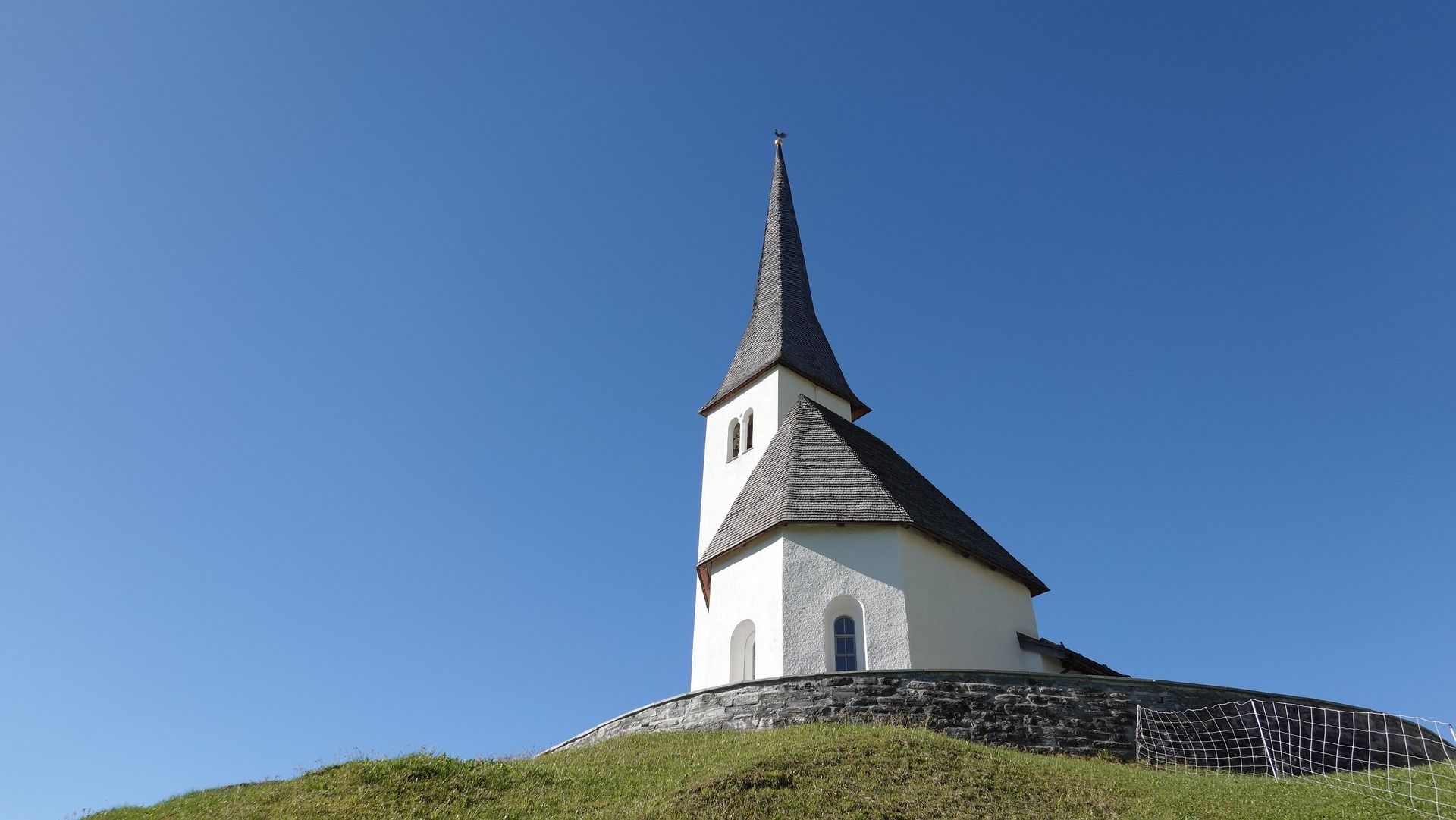
How Does A Body Live Without A Soul?
The church cannot remain spiritually alive through structure alone, nor can it remain faithful through untested spiritual experience. From the earliest centuries, Christianity has wrestled with the tension between institutional authority and the inward work of the Holy Spirit. This study argues that the church is healthiest when disciplined leadership, apostolic teaching, spiritual gifts, humility, and communal discernment operate together. History shows the danger of suppressing every mystical claim as well as the danger of accepting charisma without examination. Scripture, therefore, calls believers neither to quench the Spirit nor to trust every spirit, but to test prophecy by its faithfulness to God, its confession of Christ, its moral fruit, and its accountable evaluation within the church. A living body needs both order and soul: truth that guards spiritual life and spiritual life that keeps truth from becoming an empty institution.
Image Created On Copilot DesignerPress enter or click to view image in full size????
Introduction
The Christian age since inception has followed two distinct paths. One that emphasizes rebirth and living by the Spirit, and one that lives by hard rituals, legalistic actions, and a focus on discipline. The Book of Acts in the Bible sets the identity of the early churches as a spirit-filled body that praises God in the Spirit and holds fast to the teachings of the Apostles. A body that was both spiritual and disciplined. After the days of the apostles, their successors began to debate the true nature of Christ and what the church represented. Some felt that discipline and order were critical not only for the function of the church but for salvation itself. Others felt the urgings of the Spirit were essential, and only through listening to the Spirit could salvation be achieved. Over time, both groups separated from each other and formed their own version of the church and attracted followers and some would go on to extremes both ways.
This type of writing could easily devolve into a deep historical thesis, which would hardly attract readers outside a seminary or Bible School. Yet, ordinary believers wrestle with their own perceptions of the church, and some have difficulty relating to what they see and what they learn from scripture as the true nature of the church. Some like me have visited and participated with a number of denominational views and differing church worship services and see fragments of what the true church could be, but not the entire structure. What amazes me is that this has been going on since the second century and became worse during the third and fourth centuries from the founding of the faith.
When The Church Started Losing Its Soul
In the first centuries, prophecy, contemplation, sacramental worship, ascetic discipline, and episcopal oversight all existed within the same broad Christian movement. The eventual divisions arose because Christians disagreed over who could speak for God, how new revelations should be tested, which teachings preserved apostolic faith, and how much authority bishops and councils should possess. Christian mysticism, therefore, did not simply leave orthodoxy; some mystical currents were rejected, while others were absorbed into Catholic and Eastern Orthodox life [1].
The Second-Century Conflict: Prophecy and Authority
The clearest early clash was Montanism, or the “New Prophecy,” which began in Phrygia in the second century. Montanus, Priscilla, and Maximilla claimed direct inspiration of the Holy Spirit and delivered ecstatic prophecies. The movement retained much ordinary Christian belief, but its claims of continuing revelation, its rigorous fasting and moral demands, and the authority accorded to its prophets created conflict with bishops who were developing more stable tests of doctrine and ministry. Churches gradually rejected Montanism as schismatic or heretical, although Tertullian, an early church father, became its most famous Western supporter [2][3]. This controversy strengthened the tendency to locate public teaching authority in the received Scriptures, apostolic tradition, and recognized bishops rather than in unregulated prophetic speech.
Gnostic Alternatives and the Formation of Orthodoxy
A second division involved groups often gathered under the label “Gnosticism.” Many taught that salvation came through special knowledge and described the material world as the work of an inferior creator; some also denied that Christ truly assumed a physical body. Writers such as Irenaeus, another leading church father, opposed these teachings because they conflicted with creation, incarnation, resurrection, and the public rule of faith proclaimed in the churches [4]. The struggle helped sharpen the boundaries of orthodoxy and contributed to greater emphasis on a recognized canon, creeds, and episcopal (bishop-led) continuity. Yet Gnosticism as a mystic movement is not identical with Christian mysticism, which is defined as the desire for union with God. This also remained central to mainstream Christianity, especially in Paul, John, and later contemplative theology [1].
Monasticism: Withdrawal Without Separation
From the third and fourth centuries, another spiritual response took shape in the deserts of Egypt, Syria, and Palestine. Ascetics withdrew from ordinary society to pursue prayer, fasting, purity of heart, and spiritual discernment. This could function as a protest against wealth, social respectability, and the closer alliance of church and empire after Constantine. Nevertheless, monks and nuns generally did not create a separate anti-orthodox church. Their communities were progressively organized by rules and often became sources of bishops, theologians, missionaries, and reform. Monastic spirituality thus preserved the experiential and ascetic dimension of Christianity inside the institutional church, even while periodically criticizing its compromises [5].
Mysticism Within Eastern Orthodoxy
The Eastern Orthodox tradition provides the strongest evidence that mystical spirituality and orthodox leadership were not always opposing camps. Hesychasm cultivated interior stillness and the repeated Jesus Prayer as a path toward communion with God. When the practice was challenged in the fourteenth century, Gregory Palamas defended the possibility of real participation in divine grace while maintaining the distinction between God’s unknowable essence and divine energies. Councils at Constantinople in 1341, 1347, and 1351 affirmed Palamas’s teaching, making a contemplative tradition part of Orthodox doctrine rather than expelling it [6]. In this case, institutional authority judged, regulated, and ultimately endorsed mystical practice.
A Repeated Tension, Not One Clean Schism
The lasting division is best understood as a recurring tension between charisma and office, immediate experience and public doctrine, reform, and continuity. Some prophetic or esoteric movements separated from the developing Catholic consensus; other mystical traditions remained within it and helped renew it. Orthodox leadership supplied continuity, common teaching, and procedures for discernment, but it could also become overly defensive or closely tied to political power. Mystical movements preserved expectancy, inward transformation, and direct devotion to God, but they also risked unverifiable revelation, spiritual elitism, or dependence on charismatic personalities. The historical church was shaped by the interaction of both impulses but with more or less emphasis.
Confusion With The Unknown
Let’s face it, people know what they are comfortable with and are suspicious of what they do not understand. It seems simpler to focus on rules and actions that have visible outcomes and leadership that can be seen and heard. A leader who is invisible and gives instructions in our heads and dreams can be difficult to accept as real and not the imagination at play. The early church had the same problems once the apostles were gone. It became accepted that only the apostles had the complete knowledge provided by the Holy Spirit, and those that followed had perhaps pieces of that truth and became more dependent on apostolic writings to fill the gaps. That too is part of the reason the biblical canon became enforced. The further the time from the apostles, the fewer spiritual insights were accepted, and many became very questionable and rejected.
In defense of those early times, and even now, spiritual insights are suspicious and can be impulses from evil spirits as well as good. Like people, some spirits can disguise themselves and go undetected for prolonged periods of time. When they challenge church leadership, this creates tensions that are more likely to be supporting the leader than the mystical statement from a so-called prophet. Some prophets may speak their own desires and masquerade as coming from a spirit. The Bible does provide guidance on spiritual discernment, but that too requires a level of trust in the Spirit to perform.
Biblical Methods for Testing Prophecies and Prophets
Scripture neither commands believers to accept every claimed revelation nor to dismiss prophecy automatically. Instead, it presents discernment as a careful, communal process: test the message, examine the messenger, retain what is good, and reject what is false or evil [13].
1. Test the Message Against God’s Revealed Character and Commands
A sign or prediction is not sufficient proof of divine authority. Deuteronomy warns that even when a sign occurs, a speaker who urges Israel to follow other gods must be rejected [7]. In the New Testament, Paul similarly warns that even an angelic messenger must be rejected if the message contradicts the apostolic gospel [12]. These passages establish a controlling principle: an apparently supernatural experience cannot validate teaching that opposes God’s prior revelation. A claimed prophecy should, therefore, be tested against Scripture’s witness to God, Christ, the gospel, and faithful obedience.
2. Examine Accuracy and Presumption
Deuteronomy identifies the failure of a prediction spoken in the Lord’s name as evidence that the Lord did not authorize that message, and it instructs Israel not to fear the speaker [8]. A fulfilled prediction, however, is not sufficient proof of divine authority, because Deuteronomy 13 rejects a sign-worker who promotes other gods. Scripture also condemns prophets who speak visions from their own minds, claim to have been sent when God did not send them, offer false reassurance, or use dreams without turning people from evil [9]. Biblical discernment, therefore, considers both the truth of a claim and its fidelity to God.
3. Test the Confession About Jesus Christ
First John directs believers to “test the spirits” because false prophets have gone out into the world. Its immediate test is whether a spirit acknowledges Jesus Christ as having come in the flesh [14]. In the context of the letter, this confession concerns the true identity and incarnation of Jesus rather than the mere repetition of orthodox words. A spiritual claim that denies the incarnate Christ or opposes the apostolic witness about him cannot be authenticated by supernatural appearance alone. There are splits among Christian confessing people claiming Jesus was a spiritual mirage and not in a physical body. This is one of the errors of Gnosticism, which believes nothing good comes in the flesh or physical reality. This is also an example of extremes moving in the direction of mysticism.
4. Examine Character, Conduct, and Fruit
Jesus warns that false prophets may appear harmless but are recognized by their fruit. He also teaches that claims of prophecy, exorcism, and miracles do not substitute for belonging to him and doing the Father’s will [10]. The immediate test is therefore not spectacular activity or religious language but the enduring outcome of a person’s teaching and life. Read alongside the wider New Testament, relevant fruit includes truthfulness, humility, love, obedience, repentance, and conduct that builds holiness rather than exploitation, self-exaltation, or persistent wrongdoing.
5. Weigh Prophecy in the Community
Paul does not portray prophecy as exempt from review. In gathered worship, other participants are to weigh carefully what is said [11]. This makes discernment accountable to the church rather than dependent on the prophet’s confidence, status, or emotional force. Alongside Paul’s command not to despise prophecies but to test everything and hold fast to what is good, the passage supports attentive but critical reception [13]. A responsible evaluation compares the message with Scripture and the gospel, considers wise counsel, and refuses pressure to decide hastily. The aim is neither cynicism nor gullibility but ordered discernment.
Taken together, these passages ask: Does the message remain faithful to God’s revealed character, commands, and gospel? Is a predictive claim fulfilled? Does it confess Jesus Christ faithfully? What moral fruit follows the messenger’s life and ministry? Has the claim been weighed by other believers? These tests work together: a sign, feeling, dream, title, or fulfilled prediction cannot authenticate a message that contradicts God’s prior revelation. Christians differ on whether New Testament prophecy continues today and on how an inaccurate contemporary impression should be classified, but these passages consistently reject claims that draw people away from God, distort the gospel, deny Christ, produce corrupt fruit, or resist responsible examination. [7][8][10][11][12][13][14]
Additional Recommendation
I would add one additional consideration to the biblical list—humility. As a fruit of the Spirit, anyone professing prophecy should approach their gift in humility and consider the weight of what they place before the church to consider. The church is hard-pressed to assure the message is from God and not false; the prophet should be sensitive and aware of that pressure and not present themselves as the authority on the subject, only the mouthpiece of the Spirit. Prophets should not force their views or use powers of persuasion to influence their status or credentials to favor their perspectives. The prophet must honor the decision of the church when they conclude to support the word or reject it.
Humility is the least likely characteristic of a church leader or someone who claims the gift of prophecy. These are the ones that sit on the velvet seats in front of the congregation that establish a sense of hierarchy above other believers. A true prophet of God must seek to serve and not be served. Jesus instructed that anyone that desires to lead or be the best must first humble themselves and be the servant of others (Matthew 20:26). Anyone claiming to speak by the Spirit would know this and follow the teachings of Jesus.
Conclusion
Anyone professing spiritual or mystical connections to the Holy Spirit of God must conduct themselves as respectable and humble agents of the Spirit. Had this been the case after the apostles, perhaps the churches would not have hardened themselves against those claiming such authority. The early churches fell into power struggles and infighting, attempting to claim authority, which is opposite of the true Spirit of God. For this reason, the churches fell into disarray. Today, those claiming Pentecostal traditions are often criticized as being in disarray and not consistent in spiritual discipline. It is likely the early churches had the same attitudes towards those claiming to be spiritually gifted.
Many brag and exert power over others based on their remarkable “tongues” or visions and draw attention to themselves rather than give attention to God and fellow servants of God. Gifts are not badges of perfection but instruments of service to those within the churches. Conduct is what makes believers suspect, and for good reason.
References
1. Encyclopaedia Britannica.
“History of Christian Mysticism.”
Updated August 21, 2026.
2. Encyclopaedia Britannica.
“Montanism.”
Accessed September 26, 2026.
3. Catholic Encyclopedia.
“Montanists.”
New Advent. Accessed September 26, 2026.
4. Encyclopaedia Britannica.
“Early Heretical Movements: Gnosticism.”
Updated September 14, 2026.
5. John S. Knox.
“The Monastic Movement: Origins and Purposes.”
World History Encyclopedia, August 23, 2016.
6. Encyclopaedia Britannica.
“Hesychasm.”
Updated July 22, 2020.
7. The Holy Bible, New International Version.
Deuteronomy 13:1–5.
Bible Gateway. Accessed September 26, 2026.
8. The Holy Bible, New International Version.
Deuteronomy 18:20–22.
Bible Gateway. Accessed September 26, 2026.
9. The Holy Bible, New International Version.
Jeremiah 23:16–17, 21–32.
Bible Gateway. Accessed September 26, 2026.
10. The Holy Bible, New International Version.
Matthew 7:15–23.
Bible Gateway. Accessed September 26, 2026.
11. The Holy Bible, New International Version.
1 Corinthians 14:29.
Bible Gateway. Accessed September 26, 2026.
12. The Holy Bible, New International Version.
Galatians 1:6–9.
Bible Gateway. Accessed September 26, 2026.
13. The Holy Bible, New International Version.
1 Thessalonians 5:19–22.
Bible Gateway. Accessed September 26, 2026.
14. The Holy Bible, New International Version.
1 John 4:1–3.
Bible Gateway. Accessed September 26, 2026.














Comments (0)
Facebook Comments (0)