
Outgrowing Your Partner?
 admin
Aug 31, 2026
122
0
admin
Aug 31, 2026
122
0
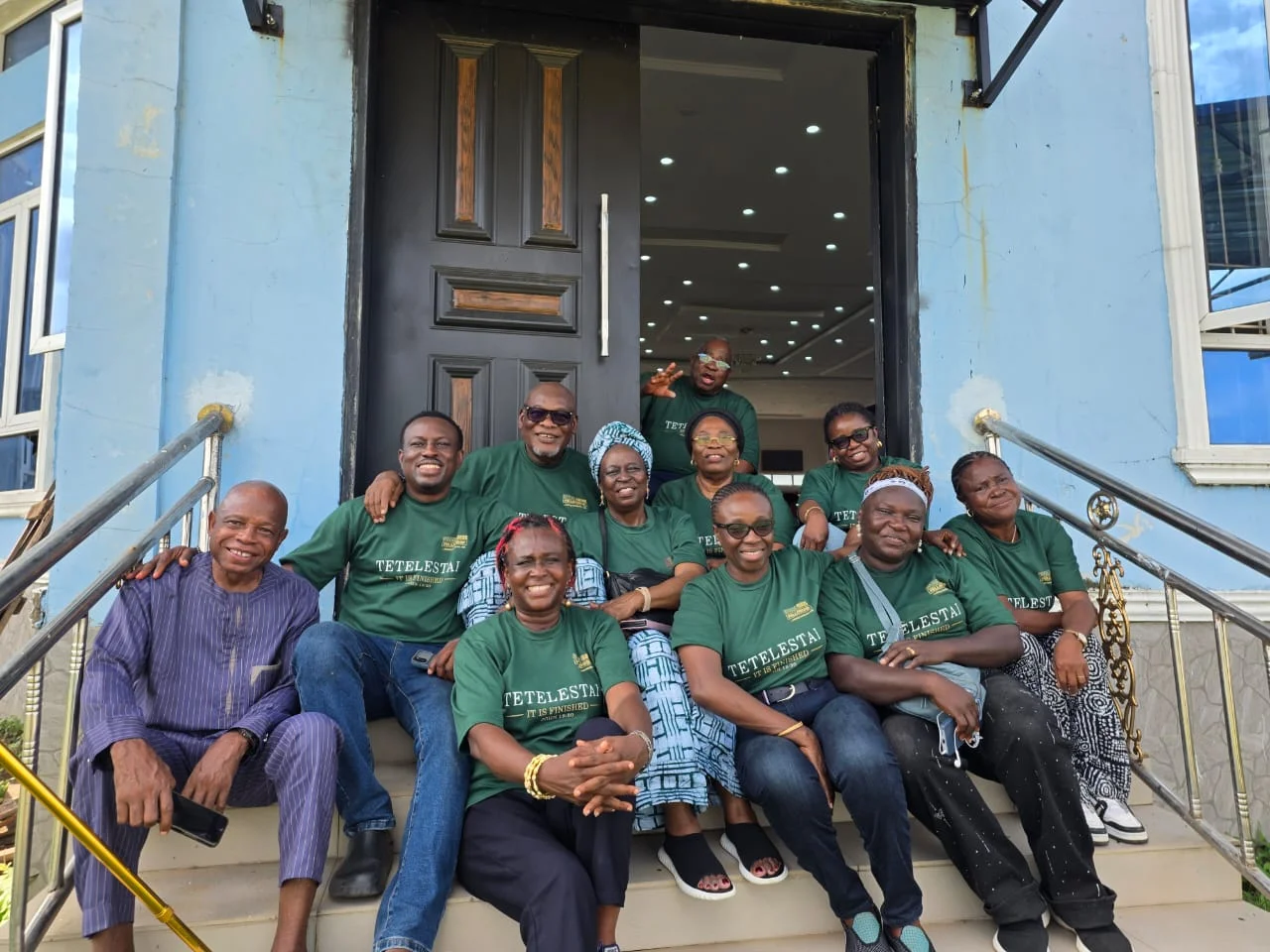
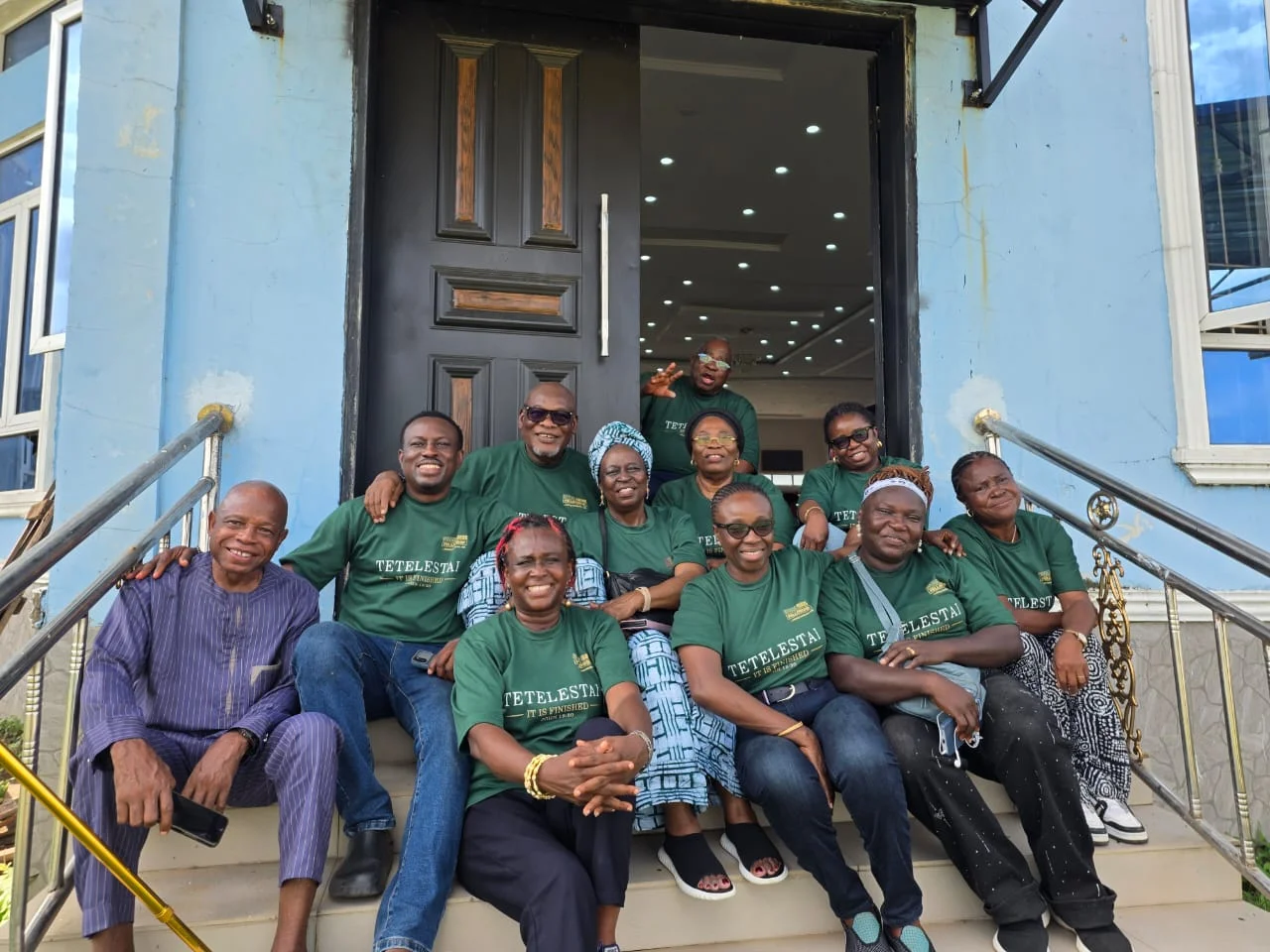
We had a discussion a few days ago at Shallowford during the GSWMI UK Retreat about relationships and marriages.
While having the discussion, a sister walked up to me and said, "How do we know the lady in question disdained her husband?"
I gave my reasons, and others also gave theirs.
In discussions about relationships and marriages, the answers are never definite.
Only those in the relationship or marriage can tell their true circumstances, situation or motivation at any point in time. Third parties can only speculate at best, no matter how experienced and wise they may be.
One of the answers we didn't consider came to me this morning.
For context, a lady and her husband were both lawyers. The husband was employed while the lady was still pushing for a job. They had two children. Then the wife got a super job after attending a conference in the USA and she was suddenly rich
The money changed her and her attitude toward her husband in a very negative manner, to the extent that the marriage crashed within six months after her career breakthrough.
It reminds me also of the story of Olajumoke, the bread seller turned international model and her marriage.
There is something called OUTGROWING YOUR PARTNER
It is a kind of heartbreak that doesn’t have a name.
Not the sharp, dramatic heartbreak of betrayal. Not the clean grief of losing someone who hurt you — where the anger at least gives you something to hold onto. Not the mutual unravelling of two people who simply grew apart and both knew it.
This one is different.
This one is the slow, quiet, devastating realization that you have grown — genuinely, irreversibly grown — into someone the relationship can no longer hold.
And the person you’re leaving behind?
You still love them.
That’s what makes this the hardest kind.
What Outgrowing Someone Actually Looks Like
It doesn’t announce itself.
There’s no single moment where you look across the table and think — “I have outgrown you.” That would be too clean. Too simple. Too easy to act on.
Instead it arrives in fragments.
It’s the conversation that used to feel deep now feeling surface. The dreams you used to share now pulling in directions they can no longer follow. The person you’re becoming requiring a kind of space — intellectual, emotional, spiritual — that the relationship was never designed to provide.
It’s laughing less at the same things. Finding yourself editing the most alive parts of yourself before sharing them — not because your partner is cruel, but because you already know they won’t quite land. It’s the quiet loneliness of having a whole interior world that the person you love most can no longer fully access.
It’s wanting to talk about ideas and receiving logistics in return.
It’s reaching for depth and finding the shallows.
It’s realising — slowly, painfully, with enormous guilt — that the person you are becoming needs things that the person you love simply cannot give.
Why This Grief Is Different
Most heartbreak comes with a reason.
They hurt you. They left. They chose someone else. They revealed themselves to be someone different from who you thought they were.
Those reasons — however painful — give the grief a shape. A cause. Something to point to when people ask what happened.
But outgrowing someone gives you none of that.
Because nothing went wrong.
They didn’t fail you. They didn’t change into someone unrecognizable. They didn’t break the relationship with a single devastating choice.
They simply stayed.
And you kept growing.
And the distance between where you are and where they are — which was once a comfortable stretch — has become something neither of you can bridge no matter how much you love each other.
That’s the grief that has no clean explanation. No villain. No wound to point to.
Just two people who loved each other genuinely — and found themselves, through no fault of either, in different places.
The Guilt That Comes With It
This is the part nobody talks about.
Outgrowing someone feels like a betrayal.
Of them — for leaving behind someone who never did anything wrong. Who loved you as fully as they knew how. Who would stay forever if you let them.
Of the relationship — for deciding that what you built together, however real, is no longer enough.
Of yourself — for wanting more. For needing more. For being the kind of person whose growth outpaces what the relationship can contain.
That guilt is real. It deserves acknowledgment.
But guilt — however understandable — is not a reason to stop growing.
Shrinking yourself to fit a relationship you’ve outgrown doesn’t preserve the love.
It slowly kills both of you.
The Cruelest Part
Here’s what makes this particular grief so uniquely painful.
The love doesn’t go away.
You can outgrow someone completely — can know with absolute clarity that the relationship no longer fits who you’re becoming — and still love them. Still care about them. Still wish, with everything in you, that love were enough to make it work.
But love — as real and as genuine as it is — cannot manufacture compatibility that doesn’t exist. Cannot create growth that hasn’t happened. Cannot bridge a distance that keeps widening no matter how much both people want it not to.
You can love someone with your whole heart and still know — quietly, painfully, with a grief that has no clean edges — that loving them from inside this relationship is no longer possible.
That is not a failure of love.
That is love being honest about its limits.
What You Owe Them — And Yourself
This is where things get difficult.
Because outgrowing someone doesn’t automatically mean leaving. And it doesn’t automatically mean staying.
It means having the most honest conversation you’ve ever had.
Not the version designed to protect their feelings entirely — because that version leaves them without the truth they deserve. Not the version that arrives as a sudden announcement after years of silent growing — because that version is its own kind of cruelty.
But the real version.
“I feel like I’m becoming someone different. I feel like there are parts of me that the relationship can no longer hold. I don’t know what that means yet — but I know it needs to be said.”
That conversation — terrifying as it is — is what love actually looks like when it’s being honest.
Sometimes it leads to growth together. To one or both people expanding in ways the relationship couldn’t previously contain. To a reimagining of what the relationship can be that neither person had considered.
Sometimes it leads to the recognition that the distance is too great. That the most loving thing — for both people — is to release each other into the lives they’re separately becoming.
Neither outcome is without grief.
Both outcomes are more loving than silence.
A Word for the One Who Was Left Behind
If you are the person who was outgrown — who loved someone fully and watched them grow in a direction you couldn’t follow —
Your pain is real and it is valid and it deserves every bit of space it needs.
Being outgrown is not a verdict on your worth. It is not evidence that you weren’t enough. It is not a reflection of your capacity for love or depth or growth.
It is simply the painful reality that people grow at different rates in different directions — and that sometimes love, however genuine, cannot hold two trajectories that have diverged too far.
You were not too little.
They were not too much.
You were just — heartbreakingly, through no fault of either — going different places.
A Word for the One Who Is Outgrowing
If you are the one who has grown beyond the relationship — who loves someone genuinely and is slowly, guiltily realizing that the relationship can no longer contain who you’re becoming —
Your growth is not a betrayal.
Your need for more is not selfishness.
Your desire for a relationship that can hold all of you — not just the parts that fit neatly into what already exists — is not too much to ask.
You are allowed to grow.
You are allowed to become.
You are allowed to need a love that expands alongside you rather than one that requires you to stay small to survive inside it.
The grief of leaving is real.
So is the cost of staying somewhere you’ve outgrown.
Only you can weigh those two things honestly.
But you deserve to weigh them — without guilt, without shame, with the full recognition that wanting a life that fits who you’re becoming is not a character flaw.
It is the most human thing there is.
The Bottom Line
Outgrowing someone you love is one of the quietest, most complex, least talked about forms of heartbreak in existence.
It comes without a villain. Without a clear wound. Without the anger that makes grief easier to carry.
Just love. And growth. And the devastating gap between two people who wanted the same thing — and found themselves, slowly and painfully, wanting it in different directions.
Give this grief the space it deserves.
It is real even without a clean cause.
It is loss even without a clear ending.
And healing from it — however long it takes, however nonlinear the path — is not just possible.
It is inevitable.
For both of you.










Comments (0)
Facebook Comments (0)