
Caring For Your Brain
 admin
Sep 26, 2026
5
0
admin
Sep 26, 2026
5
0
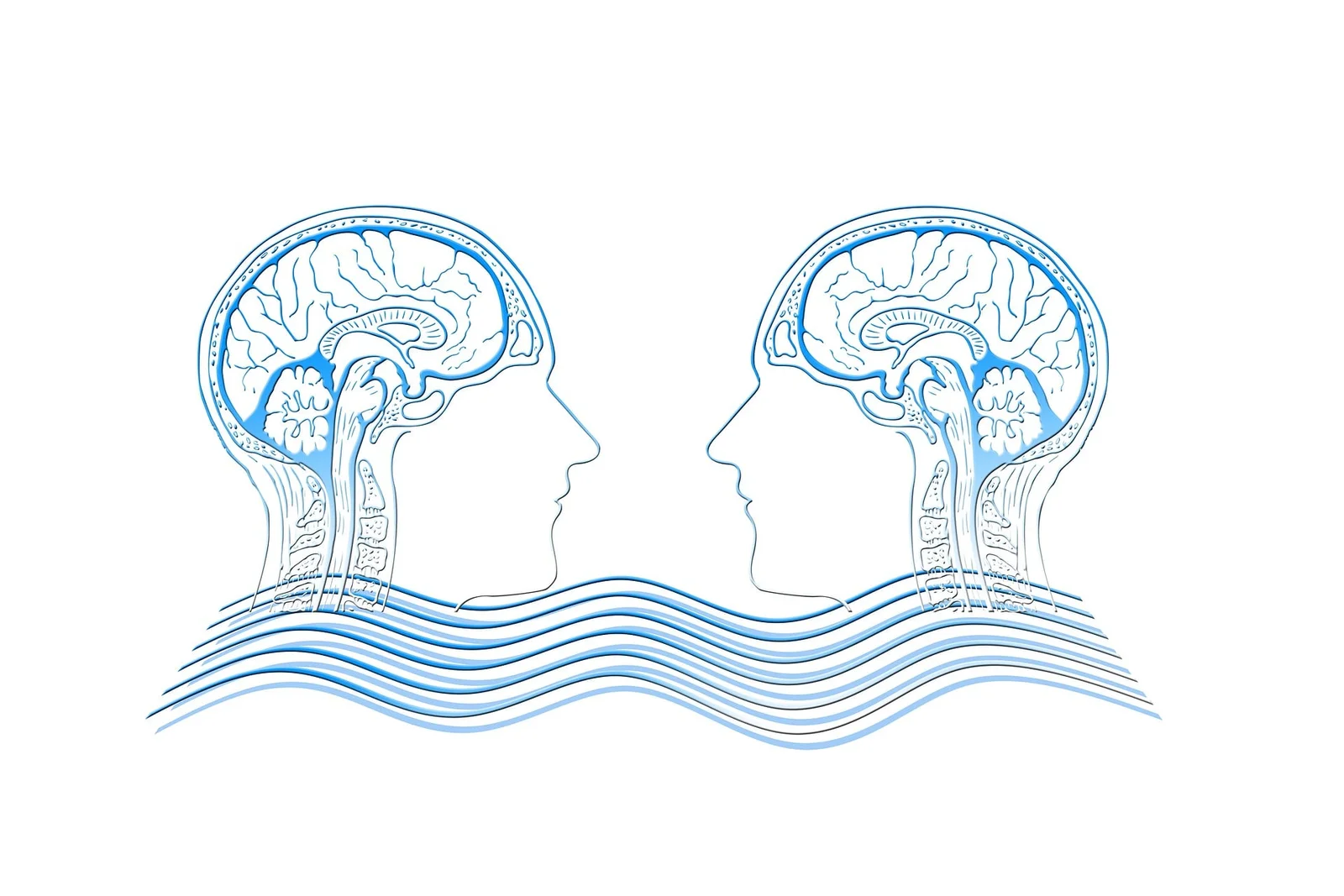
For a long time, many people have believed that the brain is something you are simply born with.
You either have a sharp memory or you don't. You are naturally focused or easily distracted. You are good at learning or you're not.
But that's not how the brain works.
Your brain is constantly adapting to what you do every day. The way you sleep, move, learn, handle stress, and even rest can influence how your brain performs over time.
The interesting part is that improving your brain doesn't necessarily require complicated routines, expensive supplements, or hours of meditation.
Sometimes, the most powerful changes come from surprisingly simple habits.
Here are nine habits that can help you build a sharper, healthier, and more resilient brain.
- Keep Your Sleep Schedule Consistent
If there is one habit your brain desperately needs, it's probably sleep.
But sleep isn’t simply the time when your body shuts down. While you’re sleeping, your brain is still working.
It helps organize memories, process information, and prepare you for the next day. Sleep is also connected with the brain's waste-clearance system, often referred to as the glymphatic system.
This is one reason why a night of poor sleep can leave you feeling mentally slow the next morning.
Your concentration drops. Your memory feels weaker. Even simple decisions can feel harder than usual and it’s not only about getting enough hours.
Consistency matters too.
Going to bed and waking up around the same time each day gives your body and brain a predictable rhythm.
You don’t need a perfect schedule. You just need a consistent one.
- Move Your Body Every Day
You don't need to become a professional athlete to support your brain.
Even around 20 to 30 minutes of physical activity can become a useful part of your daily routine.
A brisk walk, cycling, jogging, swimming, or simply moving more throughout the day can increase blood flow and support brain function.
Exercise is also associated with the release of brain-derived neurotrophic factor, or BDNF, a protein involved in the growth and maintenance of neurons and connections between them.
Think of it as giving your brain a better environment in which to adapt and learn and there’s something important here.
You don't have to wait until you have a perfect workout plan.
Start walking.
Start cycling.
Start moving.
Your brain doesn't care whether your workout looks impressive on Instagram.
- Don’t Forget Strength Training
Cardio gets most of the attention when people talk about exercise and the brain but strength training deserves a place in the conversation too.
Resistance training can support cardiovascular health, insulin sensitivity, and the body’s ability to use glucose effectively and that’s relevant because your brain relies heavily on glucose for energy.
When your body struggles with energy regulation, you may notice things like fatigue, sluggishness, or difficulty concentrating.
Adding two or three strength-training sessions to your week can therefore benefit more than just your muscles.
You're not only building physical strength.
You're also supporting the system that helps your brain receive and use energy.
- Give Your Brain 10 Minutes of Quiet
Modern life rarely gives the brain a chance to slow down.
Notifications.
Messages.
Work.
Social media.
News.
Constant stimulation.
And somewhere in between all of this, we expect our brains to remain perfectly focused.
Chronic stress can make that difficult.
Repeated exposure to stress hormones such as cortisol can affect brain systems involved in memory, attention, and decision-making.
That's why even a short period of mindfulness can be useful.
You don't have to sit cross-legged in complete silence for an hour.
Try ten minutes.
You can meditate, practice slow breathing, pray, or simply sit quietly and pay attention to your breathing.
The goal isn’t to stop your thoughts. It’s to stop being controlled by every thought that appears. Sometimes your brain doesn’t need more information.
It needs a little space.
- Stop Trying to Multitask
Here’s an uncomfortable truth. Most multitasking isn’t really multitasking.
When you're replying to an email while listening to a call and checking another message, your brain isn't performing all those complex tasks simultaneously.
It’s switching between them and every switch comes with a cognitive cost.
You may feel productive because you're doing several things at once, but your attention becomes fragmented.
Errors become easier to make. Working memory gets overloaded and deep concentration becomes harder.
Try something much simpler.
Do one thing — Then finish it — Then move to the next.
It sounds boring but focused attention is becoming increasingly valuable in a world designed to constantly interrupt it.
- Learn Something New Every Day
Your brain loves novelty.
Learning a new language, playing an instrument, cooking a new recipe, learning public speaking, playing chess, or developing any unfamiliar skill forces your brain to work differently.
And that’s exactly the point. When you challenge yourself with something new, your brain has to adapt.
This is where neuroplasticity becomes important—the brain's ability to change and reorganize itself in response to experience and learning.
You don’t need to become an expert. You simply need to keep learning. Read something you’ve never studied before.
Learn five new words.
Try a new skill.
Solve a difficult problem.
The goal isn't perfection.
The goal is to keep your brain adapting.
- Don’t Wait Until You’re Thirsty
Water seems almost too simple to mention.
But your brain depends heavily on proper hydration.
Even mild dehydration can affect concentration, attention, and cognitive performance, particularly when you're already dealing with heat, physical activity, or environments that make you lose more water.
That's why waiting until you're extremely thirsty isn't always the best strategy.
Keep water nearby.
Drink regularly throughout the day. You don’t need to obsess over a specific number of glasses.
Just pay attention to your body's needs and maintain steady hydration.
Sometimes the solution to feeling mentally foggy isn't another coffee.
It might simply be water.
- Empty Your Mind Before You Sleep
Have you ever gone to bed physically tired but mentally wide awake?
Your body wants to sleep but your brain wants to replay everything that happened during the day.
That is where journaling can help.
Spend five minutes at night writing down what went well, what stressed you, and what you want to improve tomorrow.
It doesn’t have to become a detailed diary. Think of it as clearing your mental desk.
When thoughts stay inside your head, they can keep competing for your attention. Putting them on paper can make them easier to organize.
And when your mind feels less cluttered, it may become easier to relax and focus the next day.
- Stop Treating Exhaustion Like an Achievement
This might be the hardest habit of all.
We've created a culture where being constantly busy can look like success.
Sleeping less.
Working longer.
Skipping breaks.
Always being available.
Always pushing.
But exhaustion isn’t automatically a sign of productivity. Sometimes it’s a sign that your brain needs recovery.
Your brain needs downtime just as your muscles do.
Rest supports attention, creativity, learning, and decision-making. Sustainable performance isn't about pushing yourself until nothing is left.
It's about knowing when to push—and when to recover.
Think about it like training.
You don’t become stronger only during the workout. Recovery is part of the process. Your brain works in a similar way.
Your Brain Is Built to Adapt
None of these habits are particularly complicated.
That's what makes them interesting.
You don't need to completely redesign your life tomorrow morning.
Start with one.
Fix your sleep schedule.
Take a daily walk.
Spend ten minutes breathing quietly.
Stop multitasking.
Learn something new.
Drink enough water.
Write down your thoughts.
Or simply allow yourself to rest without feeling guilty about it.
Then build from there.
Your brain is not a finished product. Every day, your habits give it information about how you want it to function.
The question isn't whether you can completely transform your brain overnight.
You can't.
The better question is: What are you repeatedly teaching your brain every day?
Because small habits may look insignificant when you do them once.
But repeated for months and years, they can become part of the way you think, learn, focus, and live.
And sometimes, becoming sharper doesn’t require doing more. It requires doing the right things consistently.













Comments (0)
Facebook Comments (0)