
Freedom Is Self-Mastery
 admin
Sep 26, 2026
5
0
admin
Sep 26, 2026
5
0
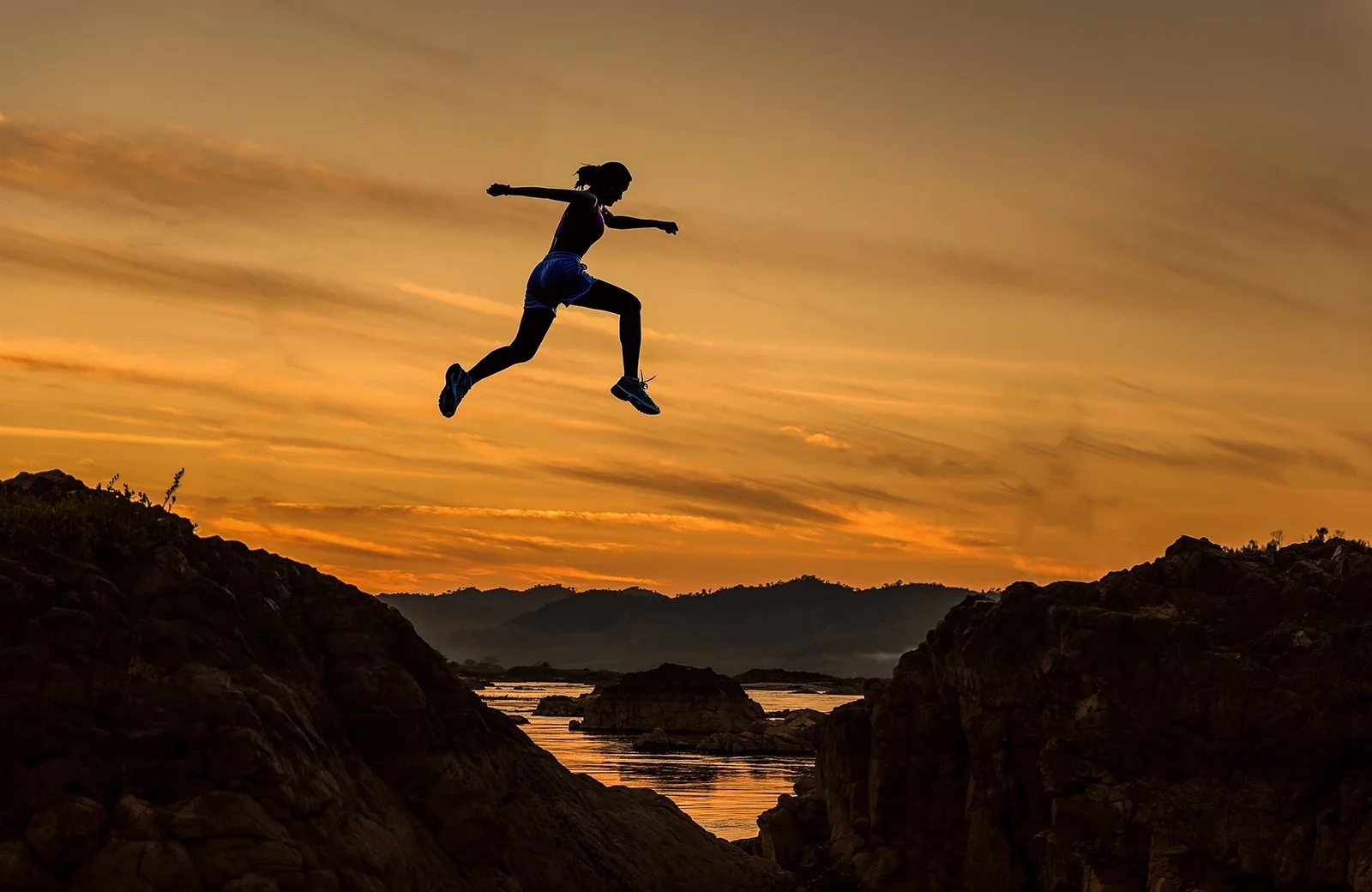
For most of my life, I thought freedom meant having more choices. It seemed like a simple idea. If nobody controlled my decisions and I could do what I wanted, then I was free. That is what many of us grow up believing. We imagine freedom as a life without restrictions, a life where nobody tells us what to do and where every door remains open.
It sounds beautiful when we hear it. In many ways, it sounds like the ultimate goal of life.
But the older I became, the more I started noticing a strange contradiction. We are living in one of the freest periods in human history. We have access to more information, more entertainment, more opportunities, and more choices than people could have imagined a few generations ago.
Yet despite all these freedoms, many people seem exhausted, distracted, anxious, and deeply dissatisfied. The more I paid attention to this contradiction, the harder it became to ignore. Something about our understanding of freedom did not seem complete.
When most people think about freedom, they think about removing limits. They believe limits are the enemy and freedom begins where limits end.
But life rarely works that way. Every healthy and powerful thing in nature operates within a structure. Rivers remain strong because they flow between banks. If those banks disappear, the river spreads everywhere and loses its force.
Trees grow toward the sky because they follow certain patterns. Even our bodies survive because millions of processes happen within precise boundaries every second.
Nature does not seem to view limits as enemies. Instead, limits often create the conditions that allow something to thrive. This made me wonder whether human beings might be making the same mistake. Perhaps freedom is not about escaping all boundaries. Perhaps it is about understanding which boundaries help us become who we are meant to be.
One thing I have noticed in my own life is that some of the moments that felt most free at the time later turned out to be forms of dependence.
There were periods when I believed avoiding responsibility would make life easier. There were times when choosing comfort felt smarter than choosing discipline. In the moment, those decisions felt liberating because they removed effort. But after enough time passed, I began to see the hidden cost. Avoiding responsibility creates more problems. Choosing comfort too often made me weaker, not stronger. The lesson was uncomfortable because it challenged what I wanted to believe.
Freedom was not behaving the way I expected. The things that seemed easiest in the present often created restrictions in the future.
Meanwhile, the things that required effort often created greater freedom later on.
This is why freedom deserves a deeper conversation than it usually receives. Most people spend years trying to become free without ever defining what freedom actually means.
They chase money because they think money will make them free. They chase status because they think status will make them free. They chase comfort because they think comfort will make them free.
Sometimes these things help, but many times they simply replace one form of dependence with another. A person can become trapped by wealth just as easily as another person becomes trapped by poverty. A person can become addicted to approval just as easily as another becomes addicted to pleasure. The cage changes shape, but the cage remains.
The deeper I look at life, the more I believe freedom is not primarily what exists outside of us. It is about what exists within us. A person who cannot control their anger is not free from anger. A person who cannot control their desires is not free from desire. A person who cannot control their attention is not free from distraction. The greatest limitations in life are often invisible because they do not come from the outside world.
They come from the habits, impulses, fears, and cravings that quietly direct our decisions every day. Real freedom begins when we stop asking, “Can I do whatever I want?” and start asking a more important question: “Am I becoming the kind of person who can wisely choose what is worth wanting?”
Why More Choices Do Not Always Create More Happiness
One of the most common beliefs in modern life is that more choices automatically create a better life. It sounds logical at first. If having one option is good, then having ten options should be better. If ten options are good, then having a thousand options should be amazing.
This idea has shaped much of the modern world. Every year we are given more products to buy, more content to watch, more opinions to consider, more career paths to follow, and more ways to spend our time.
We are surrounded by possibilities from the moment we wake up until the moment we go to sleep. Yet despite all these options, many people seem more overwhelmed than ever.
I started noticing this in small situations. Something as simple as buying a product online often turned into an exhausting process. Instead of feeling grateful for the available choices, I found myself comparing dozens of alternatives, reading endless reviews, and worrying about making the wrong decision.
What should have taken a few minutes sometimes took hours. The abundance of choice was not creating peace. It was creating uncertainty. The same pattern appears in many areas of life. People spend years wondering whether they chose the right career, the right city, the right relationship, or the right path. They become trapped not by a lack of options but by an excess of them.
The human mind has an interesting habit. Whenever it chooses one path, it begins imagining the benefits of the paths it did not choose. A person starts a career and imagines another career would have made them happier.
Someone moves to a new city and wonders if another place would have been better. Someone achieves a goal and immediately starts thinking about the next goal. This constant comparison creates a quiet dissatisfaction because reality can never compete with imagination. Real life includes challenges, sacrifices, and imperfections. Imagined alternatives contain only possibilities.
As a result, people often become attached to lives they never lived while losing appreciation for the life unfolding right in front of them.
Modern culture rarely talks about this problem because choice is usually presented as an unquestioned good. But having unlimited options does not automatically lead to wisdom. In fact, wisdom becomes even more important when options increase.
Imagine giving a ship thousands of possible directions but removing its compass. The ship technically has more freedom than before, yet it is also more likely to become lost. In the same way, a person with endless opportunities but no clear purpose often feels confused rather than liberated. Choices alone cannot guide a life. They need something deeper to organize them.
What I have come to appreciate is that many of the happiest and most fulfilled people are not those with the greatest number of options. They are often the people who have committed themselves deeply to something meaningful. A musician commits to practice. A teacher commits to helping students. A parent commits to raising children. A writer commits to improving their craft.
Commitment naturally removes certain choices, yet it often creates a greater sense of freedom. This seems like a contradiction until we understand that freedom is not simply the ability to choose. Freedom is also the ability to move toward something valuable without constantly being pulled in a hundred different directions.
The modern world encourages us to keep every door open for as long as possible. But life becomes meaningful when we eventually choose a door and walk through it. Every meaningful achievement requires commitment. Every deep relationship requires commitment.
Every worthwhile goal requires commitment. The fear of losing options often prevents people from discovering the freedom that commitment can bring. Sometimes the person who appears to have fewer choices is actually living with greater clarity, greater purpose, and greater peace than the person surrounded by endless possibilities.
The Invisible Prison of Desire
When people hear the word prison, they usually imagine walls, bars, and locked doors. They think of physical confinement. But some of the strongest prisons in the world cannot be seen with the eyes. They exist inside the human mind.
A person can travel wherever they want, earn a good income, and appear completely independent while still being controlled by desires they cannot manage. These prisons are difficult to recognize because they often feel pleasant in the beginning. Instead of looking like cages, they look like opportunities. Instead of feeling restrictive, they feel exciting. Yet over time they can quietly take control of a person’s life.
Desire itself is not a problem. In fact, desire is one of the forces that pushes humanity forward. It inspires people to build, create, learn, improve, and connect with others. Without desire, very little progress would happen. The problem begins when desire becomes the leader instead of the servant. Many people spend their lives following every urge that appears in their minds. If they feel bored, they seek entertainment.
Technology has amplified this challenge in ways previous generations never experienced. Today, almost every desire can be satisfied instantly. Food can arrive with a few taps.
One image that often comes to mind is a person holding a leash. At first it appears they are in control because they are holding it. But after looking closer, you realize the animal at the other end is pulling them wherever it wants to go. This is how desire operates when it becomes too powerful. The person believes they are making independent choices, but their actions are constantly directed by cravings, impulses, and emotions.
Their attention moves wherever temptation points. Their energy flows toward whatever offers the quickest reward. They are not leading their desires. Their desires are leading them.
The first step toward freedom is learning to create a small space between desire and action. That space may only last a few seconds, but it changes everything. Instead of immediately reacting, a person pauses and asks a simple question: “Will this choice improve my life, or will it only satisfy me for a moment?”
The more often this question is asked, the stronger inner freedom becomes. Desires do not disappear, but they lose some of their power. The person begins acting according to values rather than impulses. They become capable of choosing what is good instead of merely following what feels good.
The truth many people eventually discover is that getting everything we want does not necessarily make us free. In fact, constantly obeying our desires can become its own form of slavery.
Real freedom begins when desires no longer control every decision. It begins when a person develops the strength to say no to what is harmful and yes to what is meaningful. That kind of freedom is quiet. It does not attract much attention. Yet it may be one of the most valuable things a human being can ever possess.
The Hidden Cost of Following Every Emotion
One of the biggest ideas in modern culture is that we should always follow our feelings. It sounds reasonable because emotions are an important part of being human. They help us experience love, joy, excitement, compassion, and connection.
The problem is not that emotions exist. The problem begins when emotions become the main force directing our decisions. Feelings are powerful, but they are constantly changing. What feels right today may feel wrong tomorrow. What feels urgent in one moment may seem completely unimportant a week later.
Building a life entirely around emotions is like building a house on moving sand. No matter how beautiful the structure appears, instability eventually begins to show.
I have noticed that some of my worst decisions did not happen because I lacked information. They happened because I allowed temporary emotions to become permanent decisions. Most people have experienced something similar. We say things in anger that we later regret.
We make promises during excitement that we cannot keep. We give up during moments of frustration even though we would have succeeded if we had simply stayed patient. The emotion itself is not the enemy. The mistake happens when we assume that every feeling deserves obedience.
Emotions provide information, but they do not always provide direction. They tell us what we are experiencing, not necessarily what we should do next.
Emotions are like weather. Some days are calm. Some days are difficult. Some days are joyful. Some days are painful. Problems begin when we allow temporary emotional weather to determine the direction of our entire lives.
Modern life often encourages emotional decision-making because emotions are easy to influence.
The older I get, the more I realize that emotional maturity is not the absence of feelings. It is the ability to experience feelings without becoming controlled by them.
A mature person still feels sadness, disappointment, fear, and frustration. The difference is that they do not allow those emotions to become permanent rulers of their behavior. They understand that emotions are visitors. Some stay for a few minutes.
Others stay for a few days. But none of them should be given ownership of the house. This simple understanding creates a surprising amount of freedom because it allows people to act according to principles rather than moods.
Many people spend years chasing emotional highs because they mistake intensity for happiness. They assume that if they can maximize pleasure and minimize discomfort, they will finally feel free. Yet life does not work that way. Every meaningful goal requires periods of discomfort. Every strong relationship experience challenges.
Every worthwhile achievement demands patience. A person who runs from every uncomfortable feeling eventually runs from growth itself. Real freedom is not the ability to avoid discomfort. It is the ability to move forward despite discomfort when something meaningful is waiting on the other side.
When emotions become servants instead of masters, life begins to feel different. Decisions become clearer. Relationships become stronger. Problems become easier to manage.
The person no longer feels dragged in every direction by changing moods. They begin living according to values that remain steady even when emotions fluctuate. That stability is one of the most overlooked forms of freedom in the modern world.
Why Boundaries Create Freedom
At first glance, boundaries seem like the opposite of freedom. Most people hear the word boundary and imagine restrictions, limitations, and rules. They assume that removing boundaries will automatically create a better life. For a long time, I believed this too.
The idea seemed obvious. More freedom should come from fewer limits. But after observing life more carefully, I started noticing that nearly everything valuable depends on boundaries. Without boundaries, many of the things we enjoy would not exist at all.
Think about a simple game. Every game has rules. Without those rules, the game immediately loses meaning. Imagine a football match where nobody respects the boundaries of the field or the rules of the sport. What appears to be greater freedom quickly turns into chaos.
The same principle exists in music. A beautiful melody emerges because sounds are organized within a structure. If every note were played randomly, the result would not be freedom. It would be noise. Order creates the possibility of beauty. Boundaries often create the possibility of freedom.
Nature quietly teaches this lesson everywhere. Rivers remain powerful because they stay within their banks. If the banks disappear, the river spreads outward and loses direction. Sunlight helps plants grow because it arrives in balanced amounts. Too little sunlight causes weakness.
Too much can cause damage. Human life follows similar patterns. We thrive when our energy, attention, and actions are directed wisely. When everything is allowed to flow in every direction at once, strength becomes scattered.
One lesson that took me years to understand is that boundaries do not exist only to keep things out. Sometimes they exist to protect what matters most. A person who sets boundaries around their time is protecting focus. A person who sets boundaries around relationships is protecting emotional health. A person who sets boundaries around spending is protecting financial stability.
These boundaries may appear restrictive from the outside, but they often create greater freedom in the long run. The person sacrifices a small amount of freedom today in order to gain a larger freedom tomorrow.
The modern world often celebrates unlimited access. We can consume content at any hour. We can communicate instantly. We can fill every empty moment with stimulation. While these abilities offer advantages, they also create a hidden problem.
Without boundaries, attention becomes fragmented. People begin living in a constant state of distraction. Their minds move from one thing to another without settling anywhere long enough to think deeply. As a result, many individuals feel busy all day while accomplishing very little that truly matters.
I have noticed that some of the most peaceful people are not necessarily those with the most opportunities. They are often people who know what deserves their attention and what does not. They understand that every yes is also a no. Choosing one thing means sacrificing another. Instead of trying to experience everything, they focus on what matters most.
This approach may appear limiting, but it creates a remarkable sense of clarity. The mind becomes less crowded. Decisions become easier. Energy becomes concentrated rather than scattered.
There is a strange paradox hidden inside life. The person who refuses all boundaries often becomes controlled by circumstances. The person who accepts wise boundaries often becomes more independent. One life is driven by impulse. The other is guided by intention.
One constantly reacts to the world. The other chooses how to engage with it. This is why boundaries are not enemies of freedom. In many cases, they are the very thing that makes freedom possible.
The Difference Between Pleasure and Peace
One of the greatest confusions in modern life is the tendency to treat pleasure and peace as if they are the same thing. They can feel similar for a moment, but they are fundamentally different experiences. Pleasure is usually connected to an event, an object, or a circumstance.
Peace comes from something deeper. Pleasure often arrives quickly and disappears quickly. Peace develops slowly and tends to stay longer. Understanding this difference can completely change how a person approaches life.
Most of society is built around the pursuit of pleasure. People are constantly encouraged to buy, consume, watch, experience, and upgrade. The message is simple. If you obtain the next thing, you will finally feel satisfied. Sometimes that feeling arrives.
A new purchase creates excitement. A new achievement creates pride. A new experience creates enjoyment. There is nothing wrong with these moments. The problem appears when people expect them to provide lasting fulfillment. Pleasure is not designed to carry that weight. It is temporary by nature.
I remember achieving goals that I had spent months chasing. During the pursuit, I imagined how happy I would feel once I arrived. For a short period, the excitement was real. But eventually the feeling faded and life returned to normal.
What surprised me was not that the excitement disappeared. What surprised me was how quickly it disappeared. The mind immediately began searching for another goal, another achievement, another reason to feel satisfied. This cycle taught me an important lesson.
If happiness depends entirely on the next achievement, then satisfaction will always remain one step away.
Peace operates differently. Peace does not require constant stimulation. It does not depend on getting everything we want. It often appears when a person becomes comfortable with enough.
While pleasure asks, “What else can I gain?” peace asks, “What do I already have?” Pleasure focuses attention on what is missing. Peace focuses attention on what is present. This difference may seem small, but it changes the entire experience of life.
One reason many people struggle to find peace is that they have been trained to chase intensity. Modern entertainment, social media, and advertising often reward excitement.
Everything competes for attention. Everything promises stronger emotions. Everything tries to appear more interesting than the thing before it. As a result, ordinary moments begin to feel inadequate. Silence feels boring. Simplicity feels empty. Stillness feels uncomfortable.
Yet peace is usually found in exactly those places. It grows in quiet moments, meaningful relationships, honest work, gratitude, and a sense of purpose.
When I think about the most peaceful people I have met, I rarely remember them as the most successful or the most famous. What stands out is their steadiness.
They seem less dependent on external circumstances. They enjoy good moments without becoming attached to them. They face difficulties without collapsing under them. Their happiness comes from a deeper source than temporary pleasure. There is a calmness about them that cannot be purchased or manufactured.
The pursuit of pleasure is endless because pleasure always asks for more. Peace is different because peace teaches appreciation. A person chasing pleasure constantly moves toward the horizon.
A person cultivating peace learns to value the ground beneath their feet. One life is built on endless consumption. The other is built on understanding. One depends on circumstances. The other depends on perspective. This is why many people surrounded by comfort still feel restless, while others with far less seem deeply content. They are pursuing different things.
As I continue observing life, this distinction becomes harder to ignore. Pleasure has its place. It can make life enjoyable and memorable. But peace is what allows a person to remain stable when pleasure disappears. It is what remains when circumstances change.
It is what allows someone to feel grounded in a world that constantly pushes them toward distraction. And perhaps that is one of the clearest signs of real freedom. A free person is not someone who experiences pleasure all the time. A free person is someone who can maintain inner peace even when life does not go according to plan.
What Nature Quietly Teaches About Freedom
One of the most interesting things about modern life is how rarely people stop to observe nature. We spend hours studying markets, trends, social media, and news, but very little time studying the world that existed long before any of those things.
Yet nature has been solving problems for millions of years. Every tree, river, mountain, and ecosystem follows principles that have survived the test of time. Whenever I spend time paying attention to nature, I notice something surprising.
Nothing in nature appears obsessed with freedom in the way human beings are. A tree does not spend its life trying to become a river. A river does not wish it were a mountain. Everything seems focused on becoming what it was designed to become.
A tree never argues with the seasons. When spring arrives, it grows. When autumn arrives, it lets go. When winter comes, it rests. It does not panic because its leaves are falling.
It does not assume every period of stillness is a failure. It trusts a process larger than the moment it is currently experiencing. Human beings often do the opposite. We expect constant progress, constant growth, and constant results. If things slow down, we become anxious.
If life becomes difficult, we assume something has gone wrong. But nature suggests another possibility. Sometimes growth happens beneath the surface long before it becomes visible.
I remember periods of my life when I felt stuck because nothing seemed to be changing. Looking back, many of those seasons were not periods of failure at all. They were periods of preparation. Skills were developing. Understanding was growing.
Patience was being built. The results simply had not appeared yet. Nature taught me that not everything valuable happens where it can be seen. Roots develop underground before branches reach toward the sky. The strongest foundations are often invisible during the early stages of growth.
Another lesson nature teaches is that strength comes from cooperation with reality rather than resistance to it. Trees bend during storms instead of trying to overpower the wind. This does not mean they are weak.
In many cases, their flexibility is exactly what allows them to survive. Human beings often imagine freedom as complete control over circumstances. We want life to unfold according to our plans. We want reality to match our expectations. Yet much of suffering comes from demanding that the world behave differently than it does.
The more I observe nature, the more I notice that true strength is not about controlling everything. It is about responding wisely to whatever happens. Freedom is not the ability to avoid storms. Freedom is the ability to remain steady while moving through them.
A tree cannot stop the arrival of winter, but it can prepare for it. A river cannot remove every obstacle, but it can continue flowing. Human beings face the same challenge. We cannot control every circumstance, but we can control how we respond. That response is where freedom begins.
Nature also teaches patience in a way that modern culture often forgets. Everything meaningful in nature takes time.
Forests take decades to mature. Mountains form over unimaginable periods. Even a single tree requires years of growth before providing shade. Yet people often expect their lives to transform in weeks. They want immediate success, immediate happiness, and immediate results.
When those things fail to appear, they become discouraged. Nature quietly reminds us that lasting things are rarely built quickly. Growth is usually slower than we want but more powerful than we realize.
Perhaps the most important lesson nature teaches is that freedom comes from alignment rather than rebellion. Every part of the natural world functions best when operating according to its nature.
The same may be true for human beings. We often search for freedom by escaping limits, responsibilities, and challenges. Yet lasting freedom may come from understanding who we are, what matters most, and how to live in harmony with those truths. The more I think about it, the more this seems to be one of the deepest lessons hidden in plain sight.
Why Self-Control Is a Form of Liberation
When people hear the phrase self-control, they often imagine restriction. They picture someone constantly denying themselves enjoyment and forcing themselves to live according to strict rules.
Because of this image, self-control is sometimes viewed as the enemy of freedom. But the longer I observe life, the more convinced I become that the opposite is true. Self-control is not the opposite of freedom. In many ways, it is one of the highest forms of freedom a person can achieve.
The reason is simple. Anything that controls your decisions limits your freedom. If anger controls your actions, you are not fully free. If fear controls your choices, you are not fully free.
If cravings, habits, or distractions dictate your behavior, then part of your life is being directed by forces outside your conscious control. Many people spend years believing they are independent while quietly obeying impulses they never question.
Real freedom begins when a person develops the ability to choose their response rather than automatically reacting to whatever they feel.
It was easy to imagine freedom as something connected to major life decisions. But often the battle for freedom happens in ordinary moments. It happens when we choose whether to continue scrolling or focus on important work.
It happens when we decide whether to react in anger or remain calm. It happens when we choose between immediate comfort and long-term growth. These moments may seem insignificant, but they gradually shape the direction of an entire life.
Modern culture frequently celebrates self-expression, but it does not always emphasize self-mastery.
Expression is important, but mastery determines whether expression creates something meaningful. Imagine a musician sitting at a piano. Without discipline, training, and control, the result is random noise.
With discipline, the same instrument can produce beautiful music.
Freedom does not come from removing all structure. Freedom emerges when structure becomes strong enough to support creativity and purpose.
Many people think discipline removes options, but discipline often creates options. A person who develops healthy habits gains physical energy. A person who learns financial discipline gains financial flexibility.
A person who develops emotional control gains stronger relationships. In each case, temporary effort creates future freedom. What appears restrictive in the present often becomes liberating in the future. This pattern appears so consistently in life that it is difficult to ignore.
Self-control is rarely dramatic. It is usually quiet. It appears in daily choices that nobody notices. But those choices gradually build a life that feels increasingly free.
If attention is directed toward meaningful goals, growth becomes possible. In a world competing aggressively for attention, the ability to decide what deserves focus may be one of the most valuable forms of freedom available.
When I think about freedom now, I rarely imagine the absence of limits. Instead, I think about the ability to act according to what truly matters rather than whatever happens to feel good in the moment. That ability requires self-control. It requires awareness. It requires practice. But it also creates a level of independence that external circumstances cannot easily take away.
The Purpose Problem Nobody Talks About
Many people spend years searching for freedom without asking what they want freedom for. This question sounds simple, but it changes everything. Freedom by itself is not a destination. It is a tool.
The value of a tool depends on how it is used. A person can have unlimited time, unlimited choices, and unlimited opportunities, but without purpose those freedoms often become sources of confusion rather than fulfillment.
I have noticed that some of the most unhappy people are not necessarily those with the fewest opportunities. Sometimes they are people with plenty of opportunities but no clear direction. Every path remains available, yet none of them feel meaningful.
They move from one experience to another searching for satisfaction, but satisfaction never stays for long. The problem is not a lack of freedom. The problem is a lack of purpose guiding that freedom.
Purpose gives direction to human energy. It helps people decide what deserves attention and what does not. Without purpose, life easily becomes reactive. People spend their days responding to whatever appears in front of them. Notifications determine their attention.
Circumstances determine their mood. Other people’s expectations determine their choices. The result is a life that feels busy but strangely empty. Activity increases while meaning decreases.
One of the most important discoveries I have made is that purpose does not always arrive as a dramatic revelation. Many people wait for a perfect moment when everything suddenly becomes clear. Sometimes that happens, but often purpose grows through action.
It develops as people contribute, learn, create, help, and take responsibility. Clarity often follows commitment rather than preceding it. The person who waits forever to feel completely certain may remain stuck while others gradually discover their direction by moving forward.
Purpose also changes how people experience difficulty. Challenges that seem unbearable without purpose often become manageable when connected to something meaningful.
Parents wake up in the middle of the night because caring for their children matters. Athletes endure difficult training because improvement matters. Writers continue working through frustration because the work matters. Purpose transforms effort from a burden into an investment.
The modern world offers endless ways to entertain ourselves, but entertainment cannot replace purpose. It can distract us temporarily, but it cannot answer deeper questions about meaning and direction. This is why many people feel restless even when surrounded by comfort.
Comfort solves certain problems, but it cannot tell someone why they should get out of bed in the morning. Purpose answers a different kind of need. It gives life a sense of direction that pleasure alone cannot provide.
The more I reflect on freedom, the more I believe purpose is one of its essential companions. Freedom without purpose often leads to wandering. Purpose without freedom can feel frustrating.
Together they create something powerful. Freedom provides the ability to choose. Purpose provides a reason to choose. When both are present, life begins to feel less like random movement and more like a meaningful journey.
The Freedom That Cannot Be Taken Away
Most forms of freedom depend on circumstances. Financial freedom depends on resources. Political freedom depends on systems. Physical freedom depends on conditions. These freedoms matter, and losing them can be painful.
Yet history repeatedly shows that there is another form of freedom that operates differently. It exists within the individual and cannot be completely controlled by external events.
Throughout history, some people have remained remarkably strong during situations that would have crushed others. They faced hardship, uncertainty, loss, and difficulty, yet somehow maintained their dignity and inner stability.
What made them different was not necessarily their circumstances. It was their relationship with those circumstances. They understood something many people overlook. External events influence life, but they do not completely determine who we become.
I used to think freedom depended mostly on what was happening around me. If circumstances improved, I assumed I would automatically feel better. Sometimes that was true.
But over time I noticed that different people could experience similar situations and respond in completely different ways. One person would become bitter. Another would become wiser. One would collapse under pressure. Another would grow stronger. The difference was not always found in the situation itself. Often, it was found in the mindset brought into the situation.
This kind of freedom comes from developing an inner foundation that remains stable even when external conditions change. It is the ability to remain guided by values during chaos.
It is the ability to maintain perspective during success and failure. It is the ability to choose integrity when shortcuts appear tempting. These qualities cannot solve every problem, but they create a form of independence that circumstances struggle to destroy.
Modern culture often encourages people to build their identity around things that can change. Success can change. Popularity can change. Wealth can change. Physical appearance can change.
When identity depends entirely on these things, life becomes fragile because circumstances are always shifting. Inner freedom develops when a person’s sense of self becomes rooted in something deeper than temporary conditions.
The fascinating thing about inner freedom is that it often grows during challenges rather than comfort. Difficult experiences force people to discover strengths they never knew existed.
They reveal priorities that were previously hidden. They expose illusions and clarify what truly matters. While nobody enjoys hardship, hardship frequently becomes the environment where inner freedom is developed.
Perhaps this is why some of the wisest people appear calm even when life becomes uncertain. Their stability does not come from controlling every circumstance.
It comes from understanding that not everything needs to be controlled. They focus on what they can influence and accept what they cannot. This approach creates freedom that remains available regardless of changing conditions.
Conclusion: Becoming the Master of Your Inner World
For a long time, I believed freedom meant the ability to do whatever I wanted. It seemed obvious because that is how freedom is often described. But the more I observed life, the more incomplete that definition became.
Many people who appear free on the outside are trapped on the inside. They are controlled by desires, emotions, distractions, fears, and habits they do not fully understand. Meanwhile, some people with fewer external advantages possess a remarkable sense of peace and independence.
The lesson that keeps appearing throughout life is surprisingly simple. Freedom is not merely the absence of restrictions.
It is the presence of self-mastery. It is the ability to choose what matters instead of automatically following every impulse. It is the ability to remain steady when emotions fluctuate. It is the ability to maintain purpose when distractions multiply. It is the ability to live according to values rather than circumstances.
This does not mean life becomes easy. Challenges continue. Difficulties remain. Uncertainty never disappears completely. But something changes inside the person. Instead of being pulled in every direction by external forces, they develop an inner compass.
They begin making decisions based on understanding rather than impulse. They stop asking only, “What do I want right now?” and start asking, “What kind of person am I becoming?”
The modern world offers countless forms of temporary freedom. It offers convenience, entertainment, stimulation, and endless options. Some of these things are useful. Some are enjoyable.
But none of them can replace the deeper freedom that comes from mastering the inner world. That freedom cannot be purchased. It cannot be downloaded. It cannot be inherited. It must be developed through awareness, discipline, reflection, and purpose.
In the end, true freedom is not doing whatever we want. True freedom is reaching a point where our desires, fears, and impulses no longer decide who we become. It is becoming strong enough to choose what is meaningful even when easier options exist.
It is becoming steady enough to remain peaceful when life becomes uncertain. It is becoming wise enough to recognize that the greatest prison and the greatest freedom both begin within.
And perhaps that is the truth many people spend their entire lives searching for. Not freedom from the world, but freedom within it.






Comments (0)
Facebook Comments (0)