
Developing Self-Awareness
 admin
Sep 19, 2026
4
0
admin
Sep 19, 2026
4
0
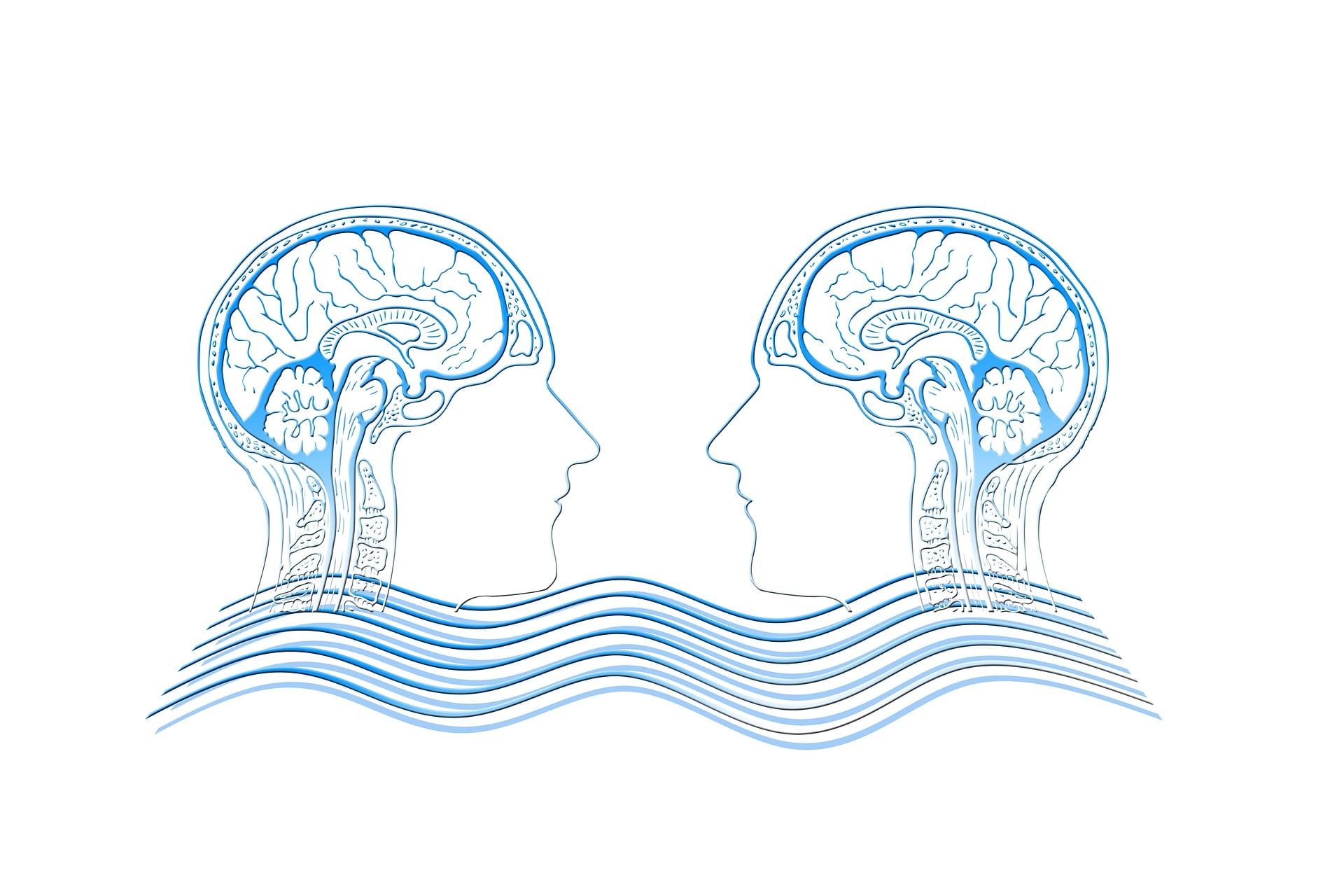
“Self-awareness is the ability to see yourself clearly: your thoughts, your emotions, your motives, and your behaviors. It’s the inner mirror that allows you to understand why you do what you do, why you feel what you feel, and how others see you.
Most people live without this mirror. They rush from day to day, reacting to circumstances, making repeated decisions without understanding their patterns. Then they wonder, "Why do my relationships fail?" Why do I repeat the same mistakes? Why do I feel lost?
Self-awareness is the first step toward any real change. You can’t fix what you can’t see. And you can’t change what you don’t understand.
Here are 11 practical ways to develop this foundational ability.
1. Write in Your Journal for 5 Minutes a Day
No need for lengthy writing. Five minutes is enough. Write what you felt today, what triggered those feelings, and how you behaved.
Why does this work? Writing forces your mind to slow down and notice. When you write “I got angry in the meeting because I felt my opinion wasn’t heard,” you’re recognizing a pattern: you get angry when you feel ignored. That’s golden information about yourself.
How to start: Before sleep, open a notebook and write three sentences: “Today I felt… because… and I behaved by…” That’s all.
2. Ask Others: “What’s the One Thing You Notice Most About Me?”
Most people fear hearing the truth. So they remain ignorant of their blind spots.
Choose someone you trust — someone who knows you well and cares about you enough to be honest. Ask them: “What’s the one thing you notice most about me when I’m under pressure?” Or: “What habit do you see that harms me but I don’t see?”
The rule: When you hear the answer, don’t defend. Don’t justify. Just listen. Write down what was said. Then reflect on it later.
Why does this work? Others see in you what you cannot see in yourself. They are living mirrors.
3. Observe Your Emotions Without Acting on Them
When you feel a wave of anger, anxiety, or sadness, pause for a moment. Don’t suppress the feeling. Don’t act on it either. Just notice it.
“I’m feeling angry right now. It’s rising in my chest. My thoughts are saying: ‘This is unfair.’”
This distance between you and the feeling is self-awareness. You are not the feeling. You are the one noticing the feeling.
Why does this work? When you observe emotions without drowning in them, you understand them more deeply. And you discover their source.
4. Track Your Emotional Triggers
Every person has “buttons” that trigger strong reactions — situations where your emotions repeatedly flare up.
Pay attention for a week: What situations make you angry, anxious, sad, or disproportionately excited?
Write them down.
Example: “I feel intense anger when I sense someone is wasting my time.” “I feel anxious when I receive a vague message from my manager.” “I feel joy when someone asks for my opinion seriously.”
Why does this work? Every trigger is a path to deeper self-understanding: your values, your fears, your needs.
5. Read About Psychology
You can’t understand yourself in a vacuum. Psychology gives you vocabulary to understand your inner world: personality patterns, cognitive biases, attachment styles, psychological defense mechanisms.
Start with simple books: “Emotional Intelligence” by Daniel Goleman, books on personality types, or any book that explains why humans behave the way they do.
Why does this work? Reading gives you new lenses through which to see yourself. A concept you didn’t know before may suddenly explain a decade of your behavior.
6. Observe Others and Learn from Your Reactions to Them
The people around you are mirrors. When someone irritates you intensely, ask: “What exactly bothers me about them? Is there a part of me that resembles them?”
When you admire someone, ask: “What quality do I admire? Do I want to develop it in myself?”
Why does this work? Psychologists call this “projection”: we see in others what we don’t want to see in ourselves. Observing your reactions to others reveals hidden parts of you.
7. Practice the “Pause Before Responding”
Between stimulus and response, there’s a brief moment. In this moment lies your freedom.
When you feel the impulse to react, pause. Take a breath. Ask: “What do I want to achieve with my response?”
Why does this work? The brief pause gives you a chance to choose your response rather than have it forced upon you. Over time, this moment widens, and your choice becomes more conscious.
8. Review Your Big Decisions
Once a month, take an hour to review your important decisions. Not to scold yourself, but to understand.
“Why did I choose this project?”
“What was I feeling when I made this decision?”
“Was I acting from fear or ambition?”
Why does this work? Decisions are a mirror of your values, fears, and motives. Reviewing them reveals your “internal program.”
9. Challenge Your Beliefs: “Is This Actually True?”
We carry many beliefs about ourselves: “I’m not social.” “I’m not good at math.” “I’m a hasty person.”
These beliefs aren’t facts. They’re stories we tell ourselves until they become familiar.
When you notice a negative belief about yourself, ask: “Is this actually true? Or is it just an old story?”
Why does this work? Self-awareness doesn’t mean accepting everything you think. It means examining it. And the beliefs you challenge begin to loosen.
10. Ask for Regular Feedback in Your Work Environment
At work, we have blind spots about our performance. Ask a colleague you trust, or your manager, for specific feedback: “What’s one thing I do well? And what’s one thing I should stop doing?”
Why does this work? We tend to overestimate our strengths and underestimate our weaknesses. External feedback corrects this picture.
11. Spend Time in Solitude
In constant noise, you can’t hear your inner voice. Solitude — even for a short time — gives you space to reflect.
Sit alone. No phone. For 15 minutes. Let your thoughts arise. Write down what appears.
Why does this work? In solitude, you hear what the noise hides: your anxiety, your desires, your truth. Self-awareness is born in quiet.
Conclusion
Developing self-awareness isn’t a luxury. It’s the foundation upon which everything else is built: deeper relationships, better decisions, and a clearer purpose.
Don’t try to apply all these methods at once. Choose one method, and practice it for two weeks. Then add another.
The goal isn’t to know yourself completely in one day. Self-awareness is an ongoing journey, not a final destination. And every step of it gives you more clarity.













Comments (0)
Facebook Comments (0)