
Being Misunderstood
 admin
Sep 24, 2026
2
0
admin
Sep 24, 2026
2
0
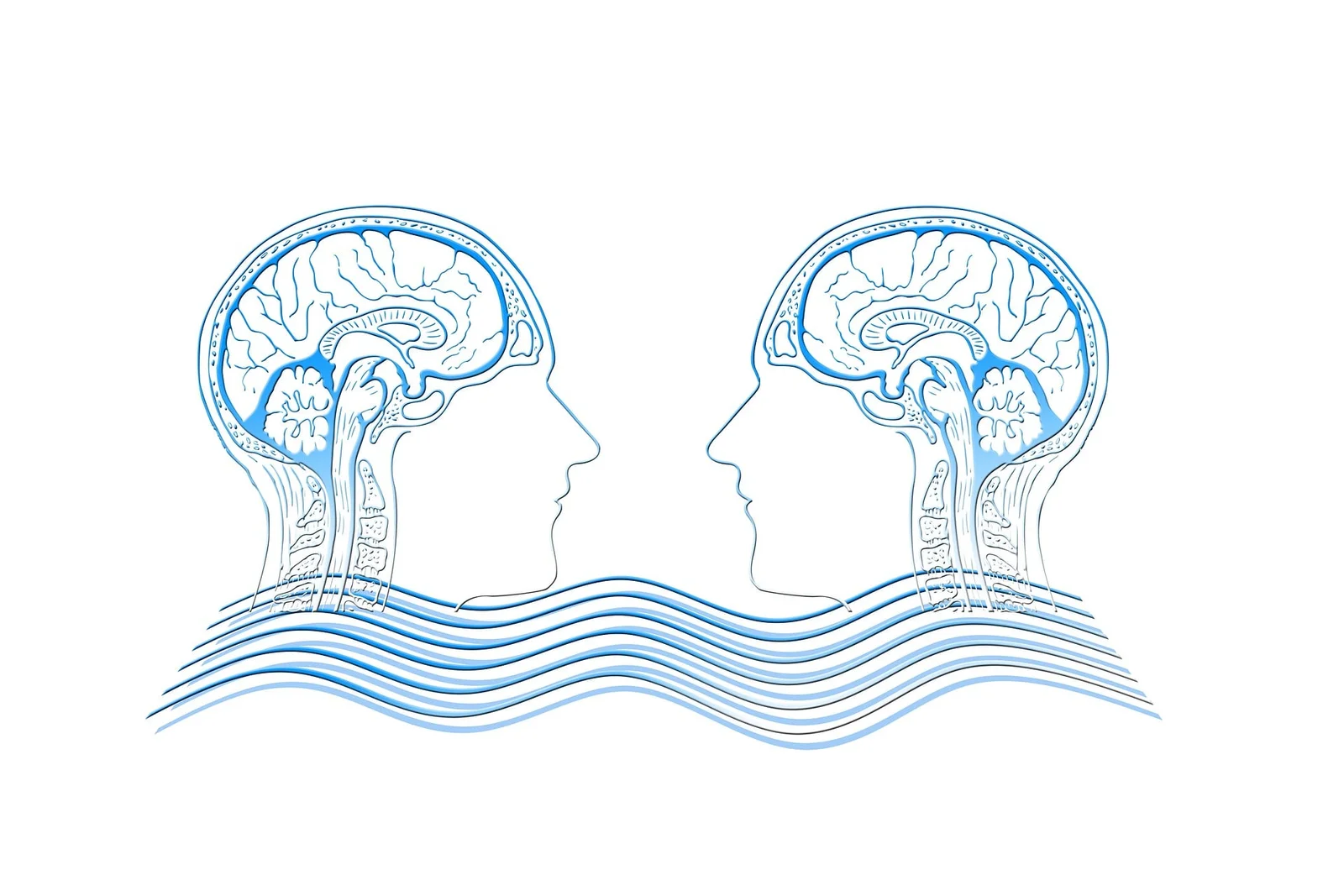
There’s a loneliness that no one talks about. The loneliness of being misunderstood even when you’re surrounded by people who think they know you. You can laugh with people, answer their questions, sit beside them for hours, and still feel like a small part of you is desperately waiting to be seen. It isn’t always about having nobody around. Sometimes, it is about having nobody who can reach the deepest parts of you.
I think this is the kind of loneliness deep thinkers know particularly well. Not because they believe they are smarter than everyone else, but because their minds rarely stop at the surface. A simple conversation can stay with them for hours. A passing comment can make them question something they believed for years. A small moment can become a hundred thoughts, and sometimes they don’t need an answer from someone else they simply want someone willing to explore the question with them.
We grow up believing that being thoughtful, curious, kind, and emotionally aware will naturally bring us closer to people. We imagine friendships where conversations continue long after midnight, where people talk about love, purpose, fear, childhood, dreams, death, identity, and the strange meaning of being alive. We imagine meeting someone who can hear the things we never say out loud. Someone who understands that sometimes a pause carries more meaning than an entire sentence.
But adulthood teaches you something different.
You slowly realize that not everyone wants to go deeper. And that doesn’t necessarily mean they are unintelligent or incapable of understanding. Sometimes depth is simply uncomfortable because it forces us to question the things that make us feel safe. It asks us to examine our beliefs, challenge the stories we inherited, admit that we might be wrong, and sit peacefully with uncertainty instead of desperately searching for an easy answer.
Deep thinking can be exhausting because there is rarely a simple ending to it. You begin to notice that people can love each other and still hurt each other. That someone can be good and still make terrible choices. That you can be grateful for your life and still wish certain things were different. That sometimes there are no villains, no heroes, and no perfect conclusions only complicated human beings trying to make sense of themselves.
And suddenly, you become the person who thinks too much.
You notice it in the smallest conversations. You say something that took you several minutes to understand within yourself, and someone responds with a joke. You try to explain a complicated feeling, and they call it overthinking. You ask a genuine question, and they assume you are arguing. You introduce a little nuance into a conversation, and suddenly everyone wants a simple answer because complexity makes them uncomfortable.
So you begin shrinking your thoughts.
Not because you have less to say, but because explaining yourself becomes exhausting. You learn that sometimes it is easier to smile than to explain. Easier to say “yeah, maybe” than to spend ten minutes describing what you actually mean. Easier to let people believe they understand you than to watch their eyes glaze over while you try to translate something that feels incredibly important inside you.
There is a particular kind of loneliness in having a thousand thoughts inside your head and realizing that the people around you only have space for the simplest version of them. So you learn to edit yourself not because your thoughts became smaller, but because explaining them became too painful.
And that is where the real exhaustion begins.
You start living between two versions of yourself. There is the person you are when you are alone the one who questions everything, imagines impossible possibilities, notices tiny details, revisits old conversations, and wonders about things nobody else seems to care about. Then there is the person you become around others the easier version, the quieter version, the version who knows when not to say what they are actually thinking.
You become good at performing simplicity.
You laugh when you don’t find something funny. You change the subject when the conversation gets uncomfortable. You stop asking certain questions because you already know how people will react. You keep some thoughts locked inside because you have learned that being misunderstood hurts differently when you were genuinely trying to be understood.
And eventually, you realize something painful: sometimes you don’t miss people. You miss being understood.
You miss talking to someone who doesn’t make you feel strange for being curious. Someone who doesn’t immediately label your questions as negativity or your emotions as drama. Someone who can sit with an unfinished thought without desperately trying to turn it into a conclusion. Someone who understands that not every conversation needs to be useful; sometimes a conversation can simply be an exploration of what it means to be human.
That kind of connection is rare.
And when you experience it, you notice how much you were missing before. One real conversation can make years of shallow conversations suddenly feel different. You realize how often you nodded, smiled, and pretended to be interested simply because you wanted to belong. You realize how often you had been surrounded by people while quietly starving for a conversation that made your mind feel alive.
But there is something important we need to remember.
Not everyone who prefers small talk is shallow. Not everyone who avoids philosophical conversations is incapable of depth. People carry different experiences, different fears, different ways of communicating. Some people reveal their deepest thoughts through silence. Others reveal them through kindness. And sometimes the person you thought could never understand you is simply waiting for the right moment to show you a part of themselves they rarely show anyone.
So perhaps the goal isn't to judge the world for being too shallow.
Perhaps the goal is to stop abandoning yourself just because the world doesn’t always understand your depth.
You don’t have to explain every thought. You don’t have to convince everyone to see things the way you do. You don’t have to turn every conversation into something profound. And you certainly don’t have to become less curious, less emotional, or less thoughtful just to make other people comfortable around you.
Your depth is not a personality flaw.
Sometimes it is simply a part of you that needs the right environment.
The right people won’t necessarily agree with everything you think. They might challenge you. They might question you. They might even change your mind. But they won’t make you ashamed of having a mind that asks questions. They will be curious about your curiosity. They will listen when you are trying to explain something difficult. They will give your thoughts room to breathe instead of immediately trying to simplify them.
You don’t need millions of people who understand every corner of your mind. Sometimes you only need one person who makes you feel safe enough to stop translating yourself. One person who can sit beside your questions, respect your silence, challenge your thinking, and still make you feel understood.
And until you find those people, don’t mistake solitude for failure.
There are seasons when being alone teaches you more about yourself than being surrounded by people ever could. You begin learning what genuinely interests you, what you believe, what you no longer believe, what questions matter to you, and which parts of yourself you had been hiding just to fit into rooms that were never designed for you.
Maybe that is one of the quiet gifts of intellectual loneliness.
It teaches you to become your own company before you find people who can truly accompany you. It teaches you that belonging should not require you to constantly perform. It teaches you that a meaningful connection is not measured by how many people know your name, but by how many people make you feel safe enough to be completely yourself.
So if you have ever sat in a crowded room and somehow felt completely alone, I hope you know that there is nothing inherently wrong with you. If you have ever wondered why ordinary conversations leave you strangely empty, perhaps you are not craving more people you are craving more meaningful connection. And if you have ever felt like you are “too much” simply because you think and feel deeply, please don’t make yourself smaller to prove that you belong.
There are people out there who will understand.
Maybe they are quiet too. Maybe they are sitting somewhere right now, surrounded by people, wondering why nobody asks the questions they secretly wish someone would ask. Maybe they are also waiting for a conversation that goes beyond careers, weather, gossip, appearances, and polite answers. Maybe they are waiting for someone to ask, “What has been on your mind lately?” and actually stay long enough to hear the answer.
Until you find them, keep your curiosity alive.
Keep asking uncomfortable questions. Keep changing your mind when you learn something new. Keep wondering about the things that make you wonder. Keep writing down the thoughts that arrive when everyone else is asleep. Keep exploring the strange, beautiful, complicated world inside your head.
Because you were never meant to bring your depth into every room.
You only need to find the rooms where you don’t have to hide it.
And maybe, somewhere in one of those rooms, you’ll finally meet someone who looks at you after a long conversation and says the simplest thing in the world:













Comments (0)
Facebook Comments (0)